October 7, 2026
Essential Tips for Caravan and Boat Transport Across Australia
By @ax80i0r796
Moving a caravan or boat from one state to another is not as simple as hitching up and driving. The distances are huge, the conditions vary wildly, and the regulations differ between states. Over the years I have seen plenty of people underestimate what is involved. They assume their own tow vehicle can handle the job, or that the cheapest quote will get them there safely. Usually, they end up learning the hard way. If you are planning interstate transport for a Jayco or a fishing boat, it pays to think ahead.
Understanding the Load
The first thing to get right is the relationship between your tow vehicle and the trailer. A lot of people assume that if the vehicle can pull the weight, it is fine. But pulling is only part of the story. You also need to stop, steer, and keep everything stable at highway speeds. A standard family sedan might technically be rated to pull a small camper, but that does not mean it is comfortable or safe over a thousand-kilometre stretch. A proper prime mover or a heavy-duty 4WD with a decent payload capacity makes the job easier, especially if the route includes sections of Outback Queensland where the road surface can change without warning.
Weight distribution is another area where people get caught out. Load the trailer too far forward and you put excessive strain on the hitch and the rear axle of the tow vehicle. Load it too far back and the trailer starts to sway. I have seen trailers fishtail on a straight road simply because the owner threw everything into the back. The ideal is around 10 to 15 percent of the total trailer weight on the tow ball. That keeps the caravan suspension working properly and stops the tail from wagging.
Safety chains are not optional, but I still see them used incorrectly. They should cross under the hitch to catch the drawbar if it detaches, and they need to be long enough to let the trailer turn without pulling tight, but short enough to stop the drawbar hitting the road. A lot of people use chains that are too long, which defeats the purpose. If the hitch fails, the trailer ends up dragging on the ground anyway.
The Case for Professional Transport
For many owners, the smart move is to leave the driving to someone who does it every day. Professional caravan and boat transport companies have the right gear and the experience to handle the risks. They use proper flatbed trailers and heavy-duty hitches. They know the best routes, the steep grades, the tight corners, and the places where fuel stops are few and far between. They also carry the right insurance, which is something most private owners overlook. If you are moving a boat worth sixty thousand dollars, or a Jayco with custom fit-out, you want to know that the insurance covers the full value, not just third-party liability.
One thing I always recommend is asking about the transport company's customer portal. A good operator will let you track the load in real time. That gives you peace of mind, especially if the trip takes several days. Some companies also integrate GPS tracking into their system, so you can see exactly where your caravan or boat is at any moment. That is especially useful if the route goes through remote areas where mobile coverage is patchy.
Boat Ramps and RORO Shipping
If you are moving a boat, the logistics change. Boats are awkward shapes, they are heavy, and they have exposed propellers and rudders that damage easily. Many transport companies use a flatbed trailer with adjustable supports to cradle the hull. Getting the boat onto the trailer is the tricky part. Most people assume you need a boat ramp for loading, and that is true for smaller boats, but for larger vessels, RORO shipping (roll-on, roll-off) is often a better option. The boat gets loaded at a dock using a cradle, then driven onto the trailer. That method avoids the risk of scraping the keel on a concrete ramp.
If you do use a boat ramp, make sure the transport company has experience with that specific ramp. Some ramps in Sydney and Melbourne are narrow, with poor turning circles for a long trailer. A professional driver will know which ramps to use and which to avoid. They will also have the right recovery gear if something goes wrong.
Interstate Transport and Route Planning
Driving a caravan or boat from Brisbane to Perth is a different proposition from Brisbane to Sydney. The coastal route is relatively gentle, but once you head inland, the roads get narrower, the heat gets intense, and the distances between towns stretch out. Outback Queensland in summer can hit forty degrees inside the caravan, which is hard on electronics, soft furnishings, and batteries. A good transport company will plan the trip to avoid the worst of the heat, or at least schedule overnight stops in shaded areas.
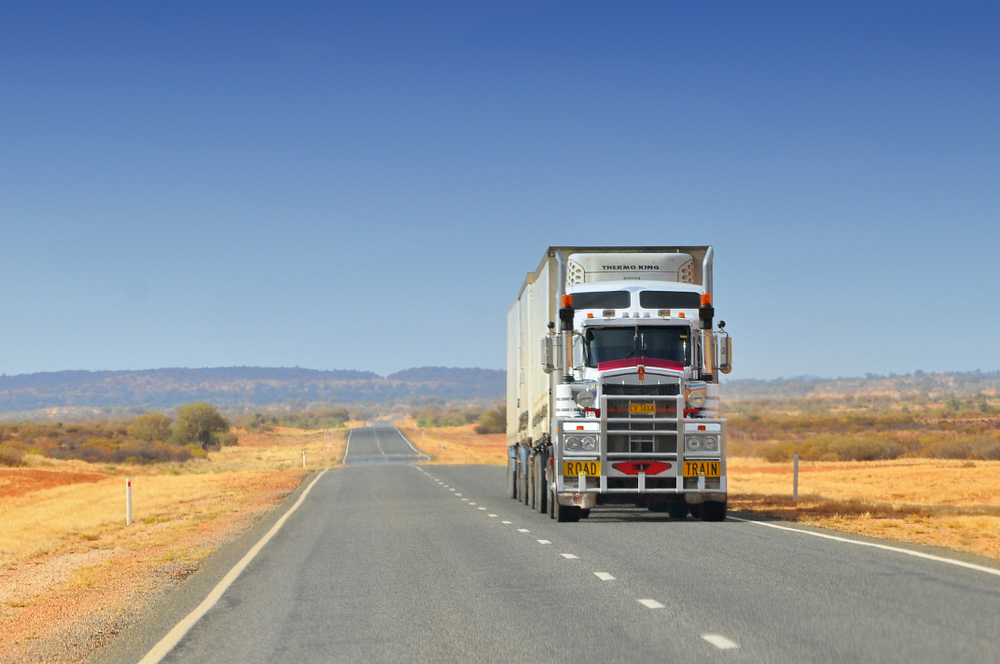
Route planning also affects the tow vehicle choice. A prime mover can handle the long hauls and the rough roads, but it is not always the best option for tight city streets. In Brisbane, for example, some suburban streets have low-hanging trees and narrow corners that a semitrailer cannot negotiate. A smaller truck or a well-equipped 4WD with a heavy hitch might be a better fit for those final kilometres. The best transport companies have a range of vehicles so they can match the truck to the route.
Warranty and Paperwork
If your caravan or boat is still under warranty, you need to check the fine print. Some manufacturers require that the unit be transported by a licensed carrier, or that the transport method meets certain standards. Failing to follow those requirements can void the warranty. I have seen people lose thousands of dollars in coverage because they let a mate tow their new Jayco home from the dealer instead of using a professional service. The same goes for insurance. Most policies exclude damage caused by improper loading or failure to use safety chains. A reputable transport company will give you a certificate of transport and a detailed inspection report before and after the trip.
GPS Tracking and Communication
Modern GPS tracking has changed the game for interstate transport. It is not just about knowing where the load is. Good tracking systems also monitor speed, sudden stops, and route deviations. If the driver takes a detour through a rough back road, the system logs it. That data can be useful if there is a dispute later about how the load was handled. Some companies even integrate the tracking into their customer portal, so you can log in and see the progress in near real time. That transparency is worth paying extra for, especially if the journey takes several days and passes through remote areas.
Practical Advice for Owners
If you are arranging caravan and boat transport yourself, here are a few things to check before the truck arrives:
- Make sure the hitch is compatible. Different trailers use different couplers. A mismatched hitch is an accident waiting to happen.
- Empty the fridge and the toilet cassette. Nobody wants to clean up a mess that has been sloshing around for three days in the heat.
- Check the tyre pressures on the trailer. Underinflated tyres overheat and blow out at highway speed.
- Secure all loose items inside the caravan. A saucepan that slides off the bench can dent a cupboard or break a window.
- Confirm the insurance coverage. Ask for a certificate and read the exclusions.
For those who prefer to leave it to the experts, the peace of mind is worth the cost. Professional caravan and boat transport companies have done the trip a hundred times. They know the road conditions, the weigh stations, the fuel stops, and the overnight spots. They also have the right gear: heavy-duty hitches, multiple safety chains, and properly maintained tow vehicles. They do not cut corners on weight distribution or caravan suspension because they have seen what happens when things go wrong.
Final Thoughts
Interstate transport of a caravan or boat is a serious undertaking. The distances are long, the weather is unpredictable, and the regulations are strict. But with the right planning, the right equipment, and the right partner, it can be straightforward. Whether you are moving a Jayco from Melbourne to Sydney, or a fishing boat from Brisbane to the coast, take the time to think through the details. A little extra care at the start saves a lot of trouble on the road.
❧